If you are building a jewelry line around colored stones, the supply chain often runs through one city: Bangkok. Understanding why — and how to source there — can save you cost, time and a great deal of matching trouble.
Why Bangkok is the center
Thailand has been the hub of the colored-stone world for generations. The Gemological Institute of America estimates that around 70% of the world's sapphires and 90% of its rubies pass through Thailand at some stage of their journey. Rough material flows in from Sri Lanka, Myanmar, Madagascar, East Africa and beyond, and is cut, treated, graded and traded in Bangkok and the nearby province of Chanthaburi.
That concentration matters to a buyer. It means depth of inventory, competitive pricing, and the ability to match large parcels of stones — essential for designs like tennis bracelets and eternity bands that need dozens of consistent stones.
The role of heat treatment
Thailand is also the world center for gemstone heat treatment, a craft refined in the Chanthaburi–Trat region over more than a century. By heating rough corundum in controlled conditions — often between roughly 800°C and 1,800°C — technicians can improve a stone's color and clarity: dissolving the fine "silk" inclusions that cloud a stone, and shifting the balance of trace elements to deepen or even out its hue.
Heat treatment is a normal, accepted practice across the trade, and the large majority of sapphires and rubies on the market are heated. What matters is disclosure: a reputable supplier tells you whether a stone is natural and whether it has been treated.
Key terms
Natural means the stone grew in the earth, not a lab. Heated means it was enhanced by controlled heat. Untreated means no enhancement — rarer, and priced accordingly.
What you can source
- Blue sapphires in a full range of tones.
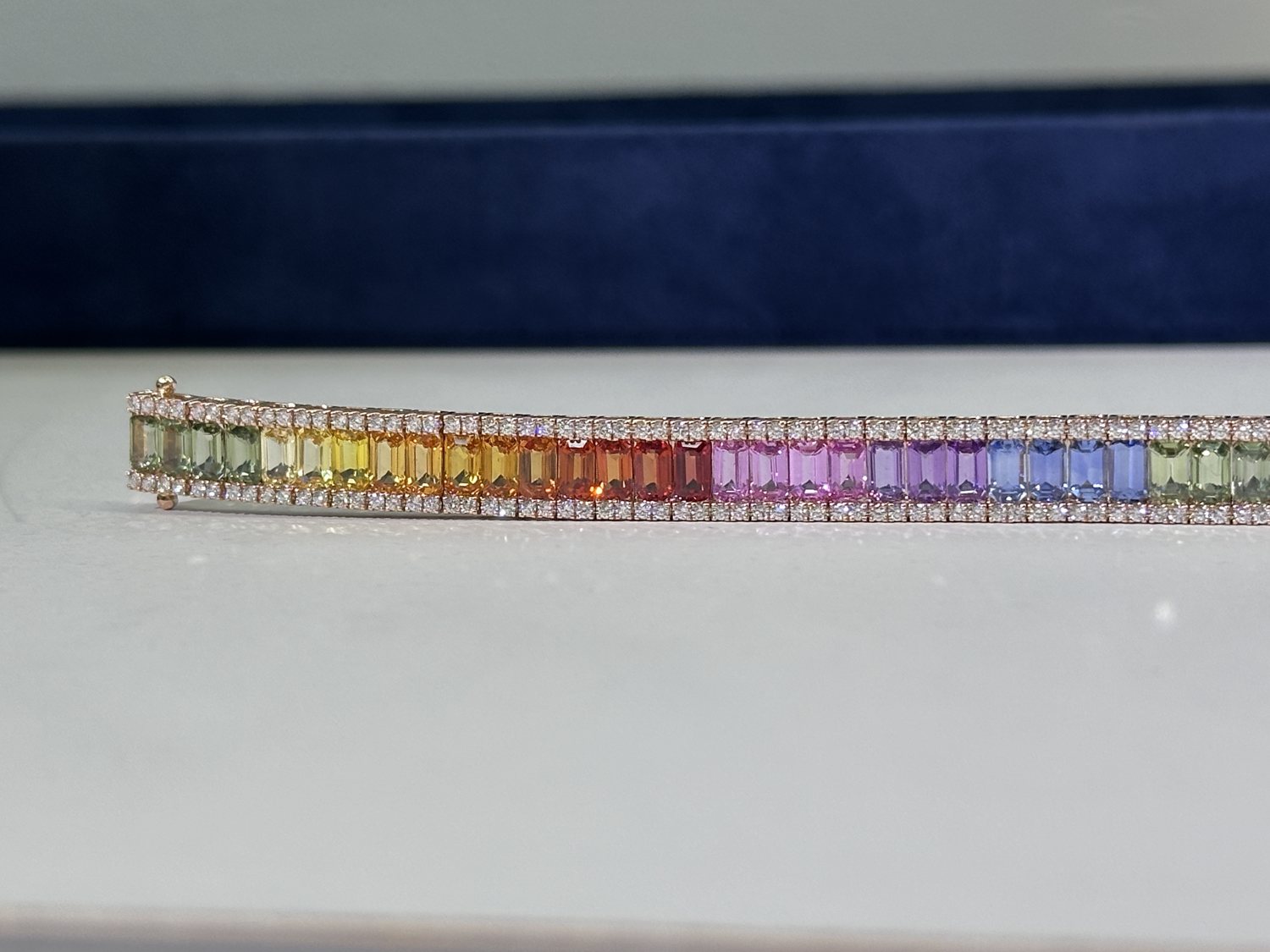
- Fancy sapphires — pink, yellow, orange, purple, green, teal — ideal for rainbow and multi-color designs.
- Rubies, the red member of the corundum family.
- Emeralds and other colored stones traded through the same network.
For multi-color work, sourcing through a single hub is a real advantage: you can match a gradient across one supply of stones rather than stitching together parcels from different markets. See our rainbow sapphire guide for how that plays out in a finished piece.
Certification and trust
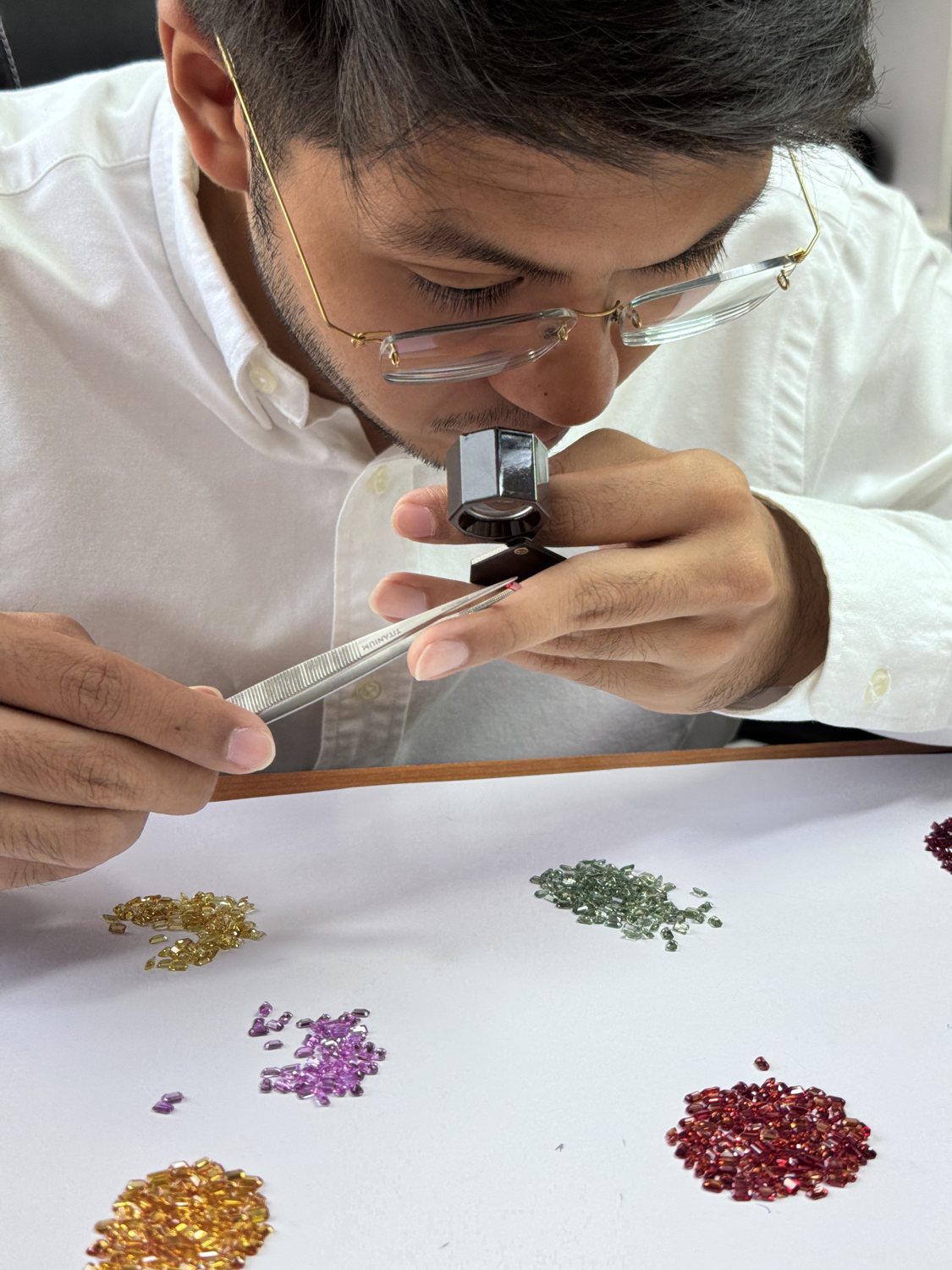
For finer stones, an independent gemological report confirms identity and whether a stone is treated. Recognized laboratories include the GIA (Gemological Institute of America) and Thailand's own GIT (Gem and Jewelry Institute of Thailand), among others. As a buyer, ask:
- Is the stone natural, and has it been heated or otherwise treated?
- Is a gemological report available for higher-value stones?
- Can the supplier match additional stones later for repairs or reorders?
Sourcing on your own vs. through a partner
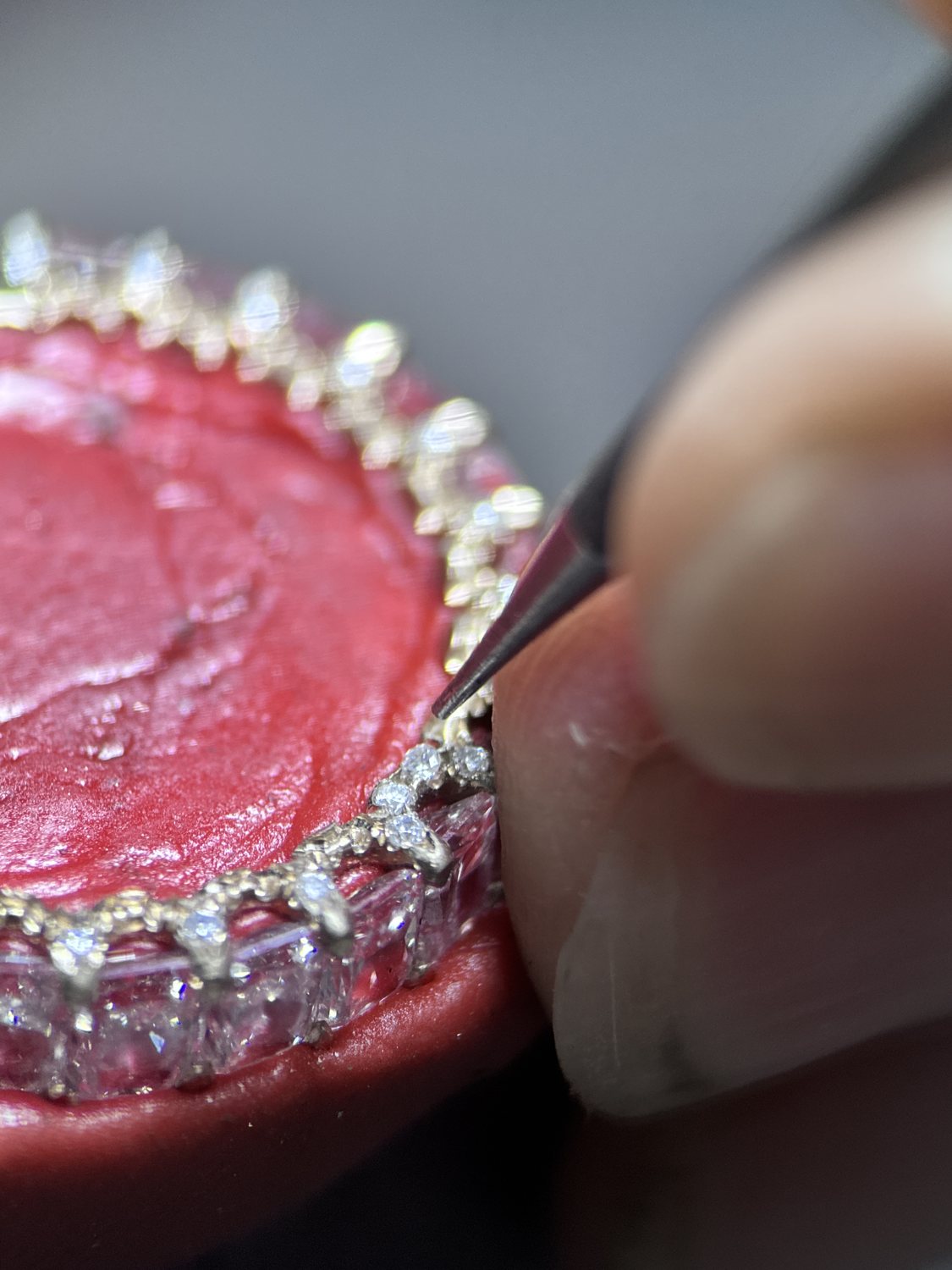
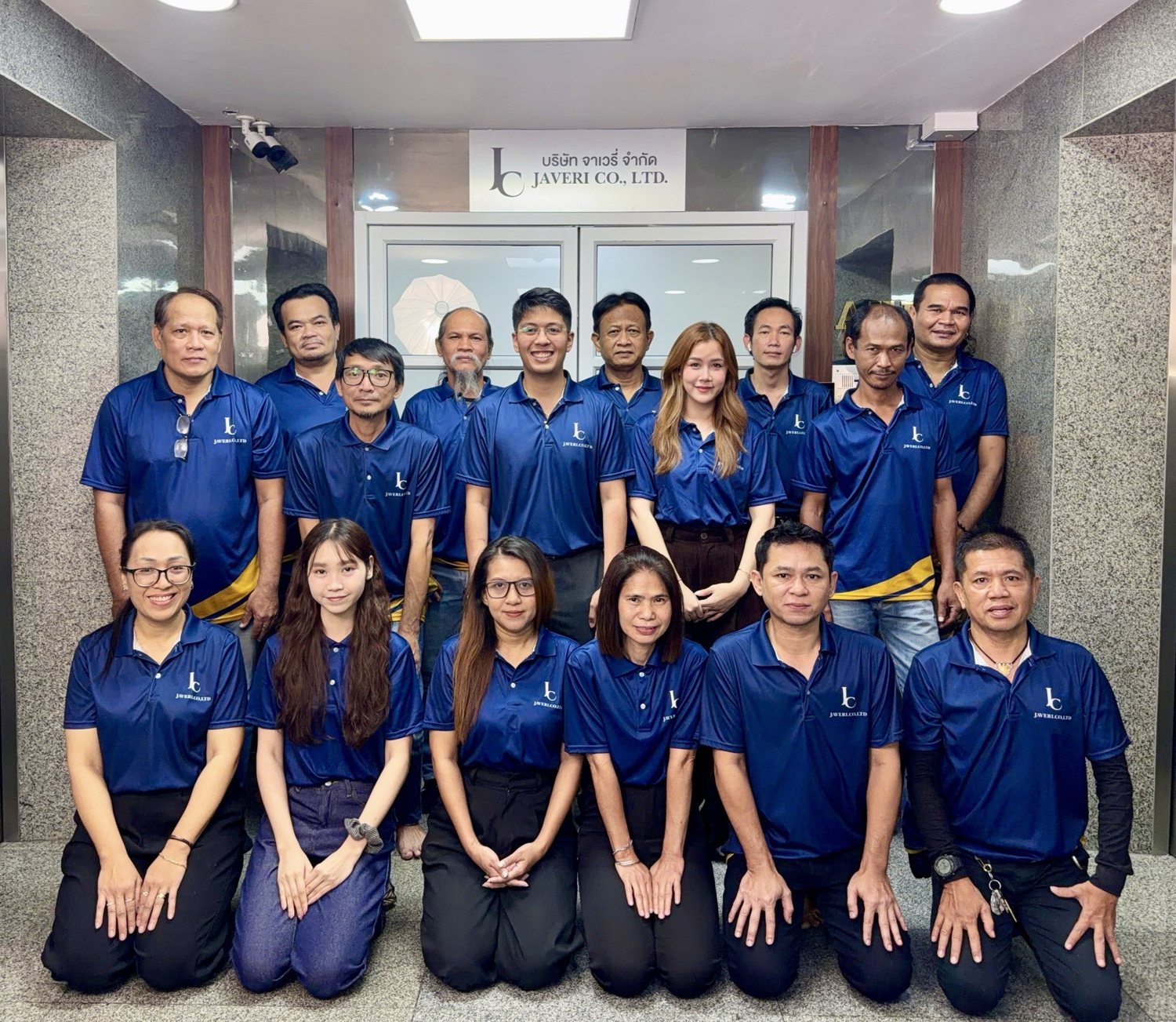
You can buy stones directly in Bangkok's markets, but it takes expertise to grade, match and negotiate well — and to handle treatment disclosure with confidence. For most brands, sourcing through a manufacturing partner who buys, certifies and sets stones in-house is simpler and lower-risk. The stones are matched to the design from the start, and the same workshop that selects them also sets them.
That integrated approach — source, certify, set, finish — is what turns a parcel of loose stones into a consistent, export-ready collection. To see how the stones become finished jewelry, read how fine jewelry is made.