If you are a jewelry brand, retailer or designer looking to manufacture overseas, Thailand is one of the first places worth your attention. This guide explains why, and walks through exactly how to find and work with the right manufacturing partner in Bangkok.
Thailand has spent more than a century building one of the deepest pools of jewelry and gemstone expertise in the world. For an international buyer, that translates into something concrete: access to skilled artisans, certified colored gemstones, and flexible factories that can take a project from a rough sketch to a finished, export-ready collection.
Why Thailand for jewelry manufacturing
Three things make Thailand — and Bangkok in particular — stand out as a sourcing destination.
1. A genuine colored-gemstone hub
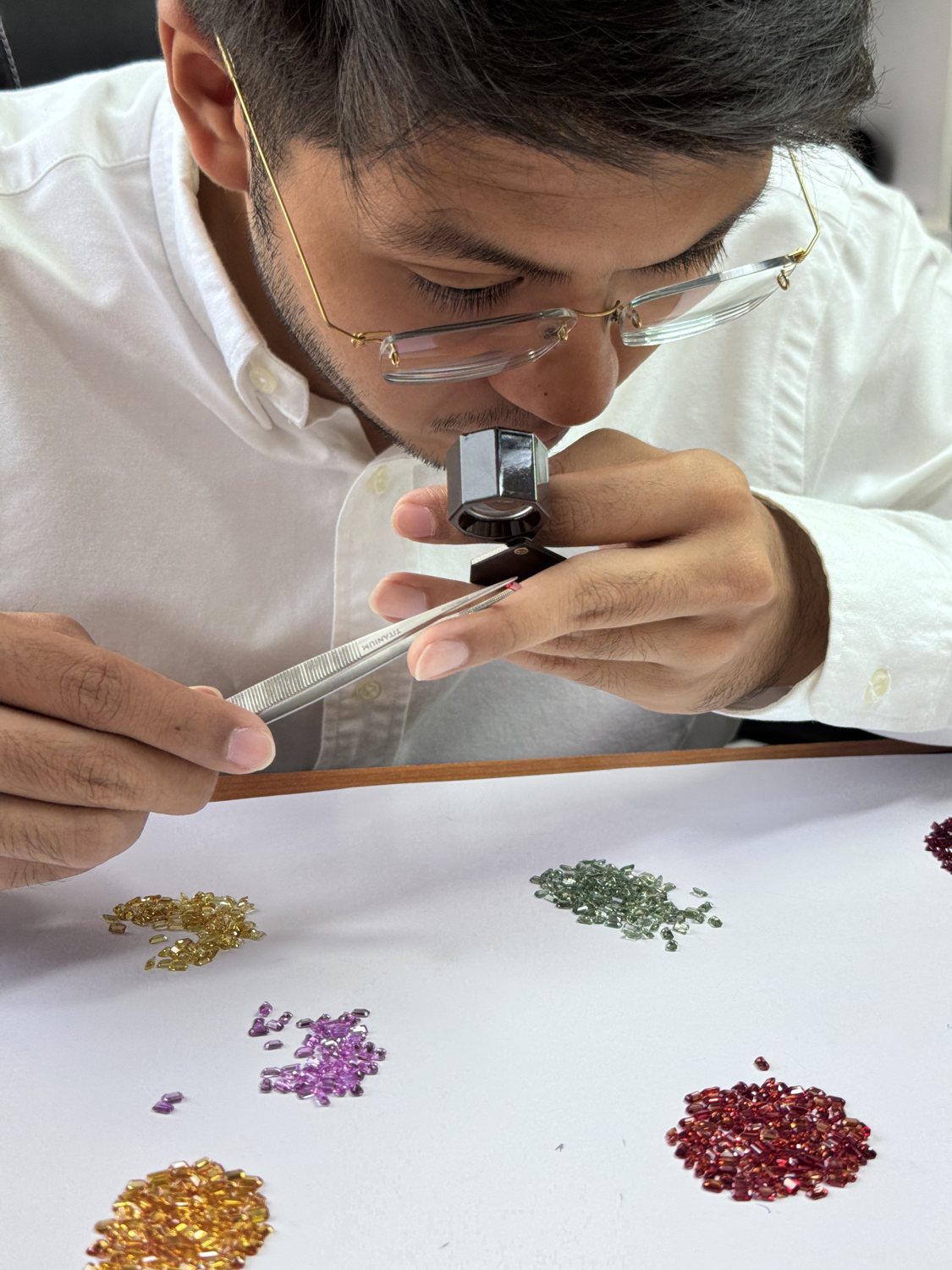
Bangkok and the nearby province of Chanthaburi sit at the center of the global colored-stone trade. The Gemological Institute of America estimates that roughly 70% of the world's sapphires and 90% of its rubies pass through Thailand at some point, and the country is widely regarded as the heart of gemstone heat treatment. For a buyer, that means colored stones can often be sourced, matched and set under one roof.
2. Craftsmanship built over generations
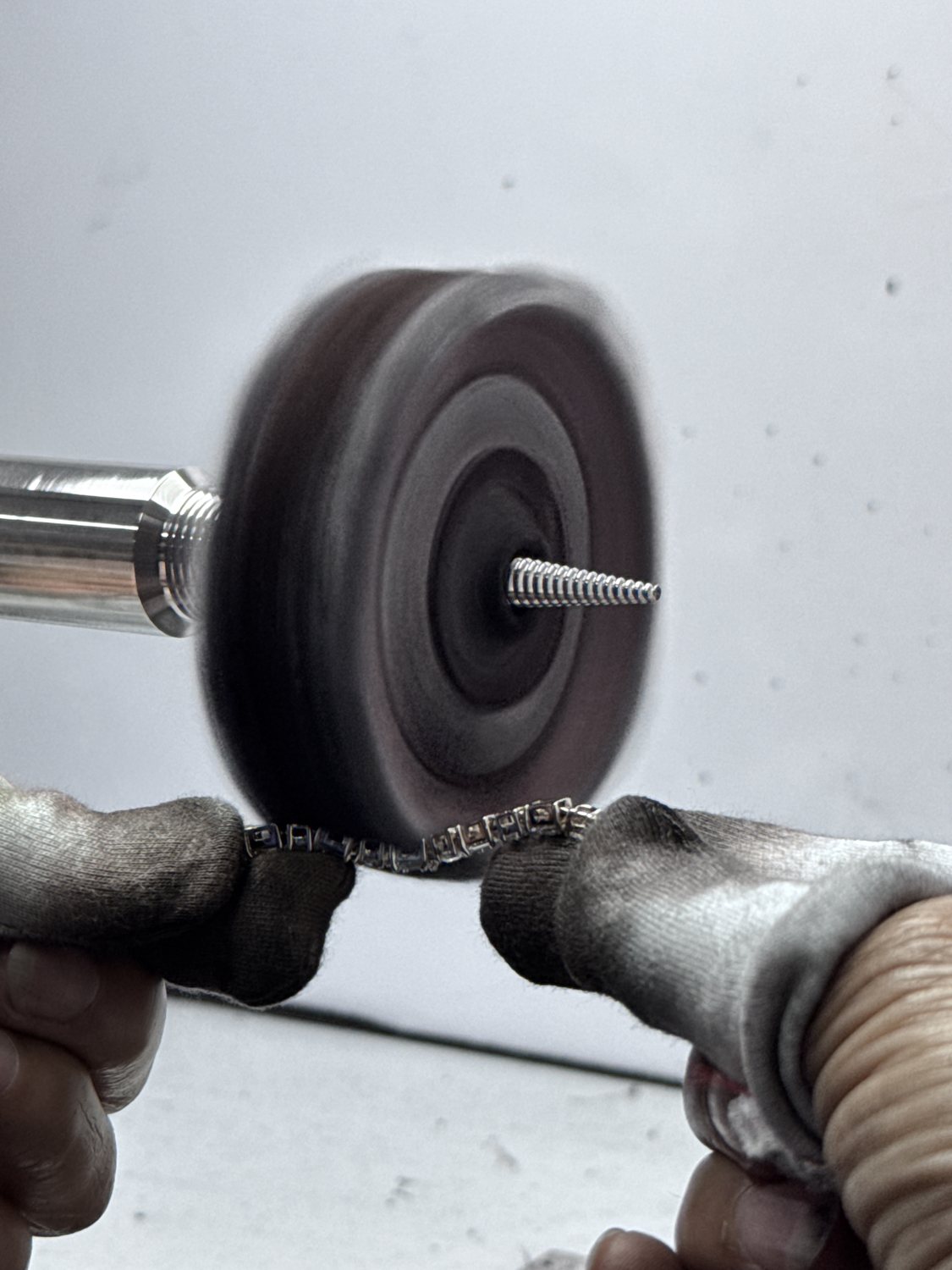
Stone setting, hand finishing and gem cutting are skilled trades passed down within Thai workshops. This artisan base is what allows detailed work — micro-pave, channel-set eternity bands, gradient "rainbow" sapphire pieces — to be produced consistently and at scale.
3. Flexibility for international brands
Thai factories are used to working with overseas clients across OEM, ODM and private-label models, in a range of metals and order sizes. Many are comfortable starting with smaller first orders so you can test a design before committing to volume.
In short
Thailand combines gemstone access, deep craftsmanship and export experience — a rare three-in-one for a jewelry supply chain.
How to choose a manufacturer
Not every factory is right for every brand. Use these criteria to shortlist a partner.
- Capabilities match your product. Confirm they routinely make your category — rings, tennis bracelets, pendants — in your metal of choice (14K/18K gold, platinum, silver 925).
- Gemstone sourcing in-house. A partner who can source and certify stones saves you a separate supplier and reduces matching problems.
- Clear sampling process. Look for CAD/3D renders and a physical sample before bulk production.
- Documented quality control. Ask how many inspection stages they run and what documentation you receive.
- Transparent terms. MOQ, lead times, payment terms and shipping should be spelled out, not vague.
- Communication. Fast, clear replies in your language are a strong signal of how the whole project will go.
The three manufacturing models
Most sourcing relationships fall into one of three models. The right choice depends on whether you bring the design, the brand, or both.
| Model | You provide | Best for |
|---|---|---|
| OEM | Your own designs / CAD | Brands with an in-house design team |
| ODM | A concept or brief | Brands that want design support |
| Private label | Your brand name | Retailers launching a line quickly |
We cover this in depth in our guide to OEM vs ODM vs private label.
What it costs and how long it takes
Pricing in fine jewelry is driven by metal weight and purity, the stones, and the labor a design requires — not by a fixed catalog price. As a rough rule of thumb, expect samples in about 7–10 days and full production in roughly 2–4 weeks after approval, depending on quantity and complexity. Our guide to MOQ, lead times and pricing breaks down the numbers.
How to start
- Send your inquiry. Share reference images, sketches, CAD files or simply describe the idea.
- Get a quote and design. You receive pricing, material options, MOQ and a timeline — with 3D renders for custom work.
- Approve a sample. Evaluate a physical piece and request revisions before bulk production.
- Go to production. Receive photo updates at each milestone, followed by quality control and insured worldwide shipping.
Sourcing overseas can feel daunting the first time. A good partner makes it simple: clear steps, honest timelines, and a sample in your hand before you commit.